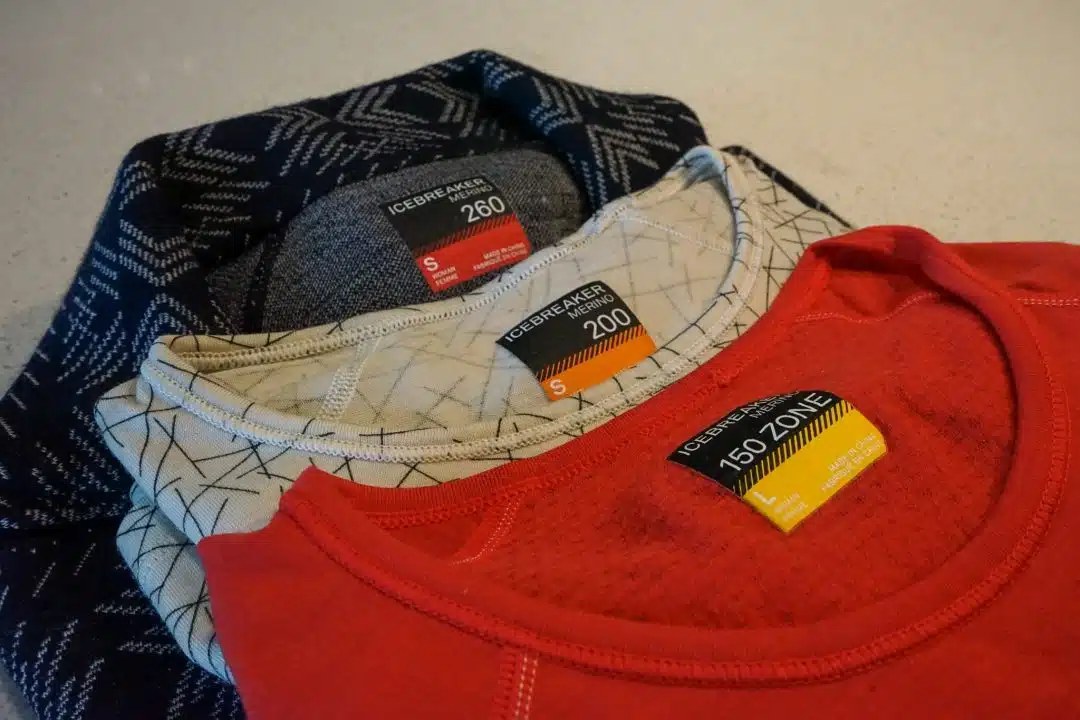
At a glance
Merino 200–250 gsm is the sweet spot for a winter base layer: warm enough for most days on the hill, yet breathable enough to avoid overheating when you ramp up the effort. Fibers naturally manage moisture and resist odor, so you can wear it for multiple days without that heavy, clammy feel.
Key features
- Warmth without overheating – insulates even when damp and keeps a stable microclimate.
- Natural odor control – fewer odors versus pure synthetics.
- Skin comfort – fine fibers (~18.5–21 microns) with flatlock seams.
- Layering flexibility – pairs with a light fleece or runs solo under your jacket.
- Sustainability – renewable fiber; many models are mulesing-free.
Specifications (typical for 200–250 gsm)
- Fabric weight
- 200–250 g/m² (midweight for winter and shoulder seasons)
- Composition
- 100% merino or blends with nylon/elastane for durability & stretch
- Fiber fineness
- ~18.5–21 µm (soft next to skin)
- Cut
- Slim/athletic; drop hem for easy tuck
- Seams
- Flatlock (reduced friction under boots/backpack)
- Pieces
- Long-sleeve top and bottoms
Note: exact specs and blends vary by brand and season. Always consult the official size chart and listing.
How to choose size & fit
- Follow the brand chart: measure chest/waist/hips — aim for a next-to-skin fit without pinch points.
- Sleeve & inseam length: slightly longer helps keep layers tucked under mid-layers/socks.
- Blend vs. 100%: blends (e.g., +nylon) add durability/elasticity; 100% feels most natural.
- Layering: for -10°C and wind add a light mid-layer; for +0–5°C often base + jacket is enough.
Pros & cons
Pros
- Warm yet breathable — great for active skiing.
- Natural odor resistance; works for multi-day trips.
- Comfortable against skin, even when slightly damp.
Cons
- Dries slower than pure polyester.
- Costs more than synthetic base layers.
- Can pill over time without proper care.
How to wear & layer
- Vent early: use mid/shell zips before you overheat.
- Tuck-in: keep the top tucked to block wind/snow at the lower back.
- Socks & cuffs: end bottoms above sock tops to avoid a bulky “double cuff” in boots.
Care & maintenance
- Wash on wool/delicate with a merino-safe detergent; no fabric softener.
- Dry flat/line-dry away from direct heat; avoid tumble drying unless the brand approves it.
- Air out between days — merino often doesn’t need every-wear washing.
- Moth protection off-season: store clean and dry; add cedar/lavender sachets.
FAQ
Does merino itch?
Quality pieces use fine fibers (~18.5–21 µm) that feel soft on skin. If you’re very sensitive, consider a blend for added stretch/comfort.
How many days can I wear it without washing?
Often 2–3 days with airing, thanks to natural odor resistance. Wash when you feel it’s needed.
Will it shrink or stretch?
Merino can relax a bit during wear and recover after a cool wash. Avoid high heat and follow the brand’s care label.