A Short Story of the Origins
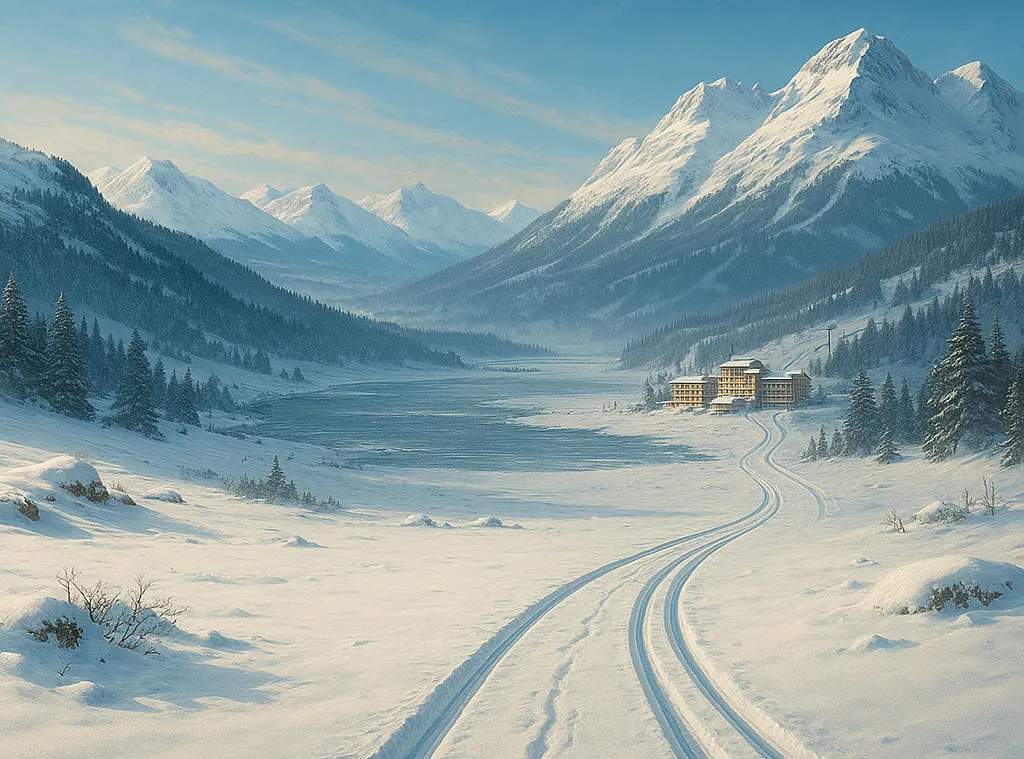
When the first snow fell, the world grew quieter – but the human need to move across distances remained the same. Thousands of years ago, in the northern regions of Europe and Asia, people stepped onto the snow with wooden boards strapped by rawhide. This wasn’t entertainment: skis were transport, a tool, and an advantage for hunting, survival, and trade.
In the tundras and taigas, hunters left long, shallow tracks: one stride, another, a rhythm of breath – and they were already across a frozen lake. In some communities, skis were coated with resin and animal fat, and long poles were carried for propulsion. Forests, winds, and ice shaped snow-travel techniques long before the first groomed trails appeared.
The Age of Hunters and Trackers
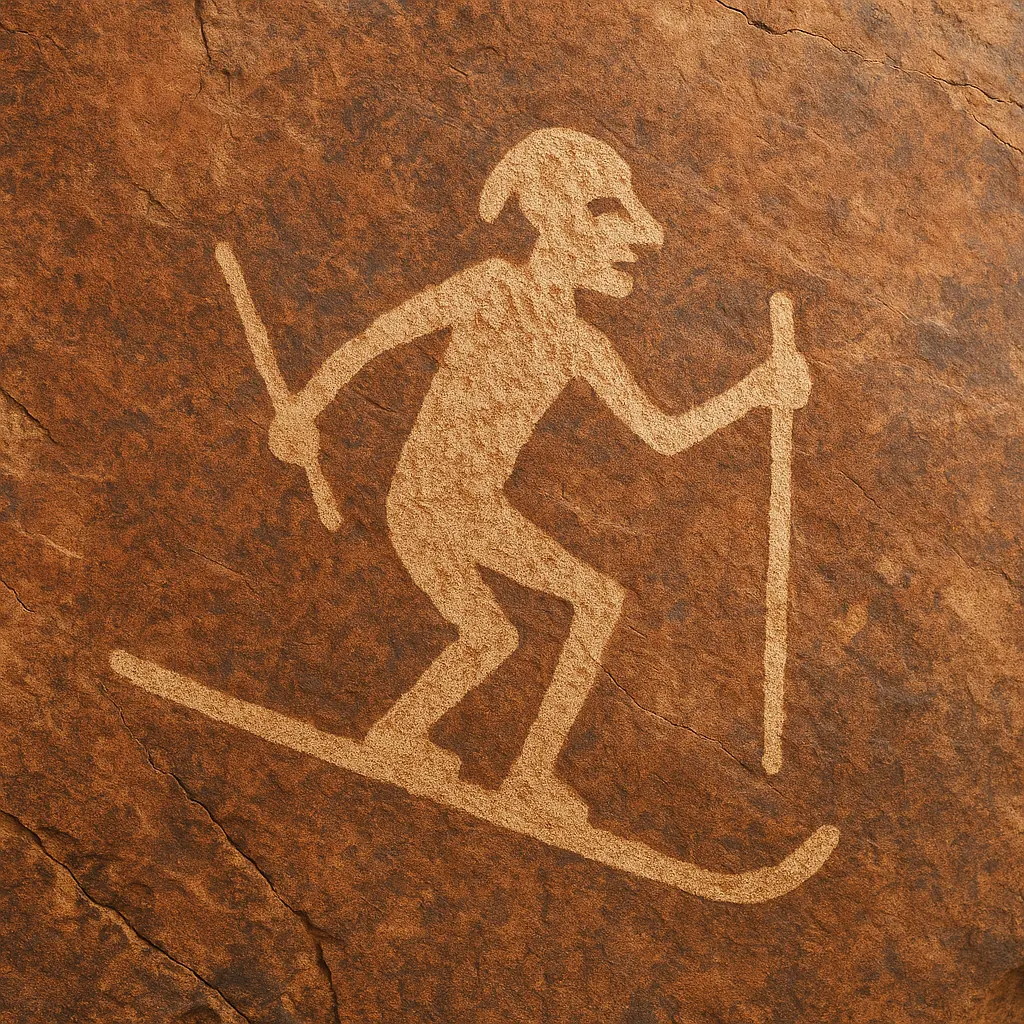
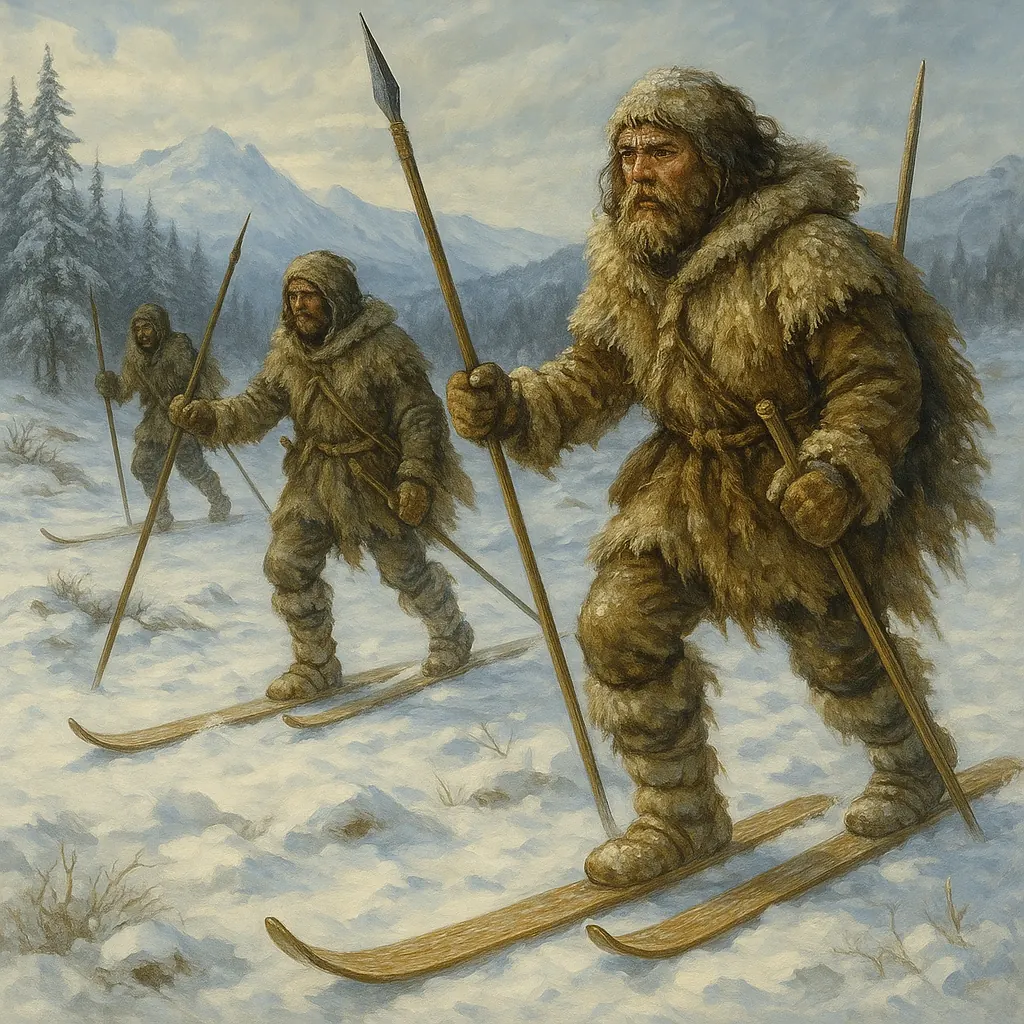
Skis then served to outsmart winter. The deeper the snow, the greater the advantage: weight distributed, less sinking, and the ability to track game unhindered. Shape and length depended on terrain – longer skis for open landscapes, shorter and wider for forest slopes. Function dictated form, not fashion.
From Practice to Play: The Birth of Competitions
Only later, with calmer times and community curiosity, snow-travel began to gain a competitive spirit. Who would climb a hill faster with a pole? Who would descend more skillfully without falling? The first “races” were neighborly contests, later turning into organized events with music, hot drinks, and the pride of winners.
By the 19th century, skiing stepped beyond local bounds. Schools, manuals, and – perhaps for the first time – the idea that skiing could be a craft worthy of childhood dedication appeared. On snow, one learned discipline, rhythm, and respect for nature. Along with technique came rules.
From Craft to Technology
- Wooden skis and tar: handmade, treated with resin and wax for glide and protection.
- Bindings and boots: simple leather straps replaced by rigid bindings; control became more precise.
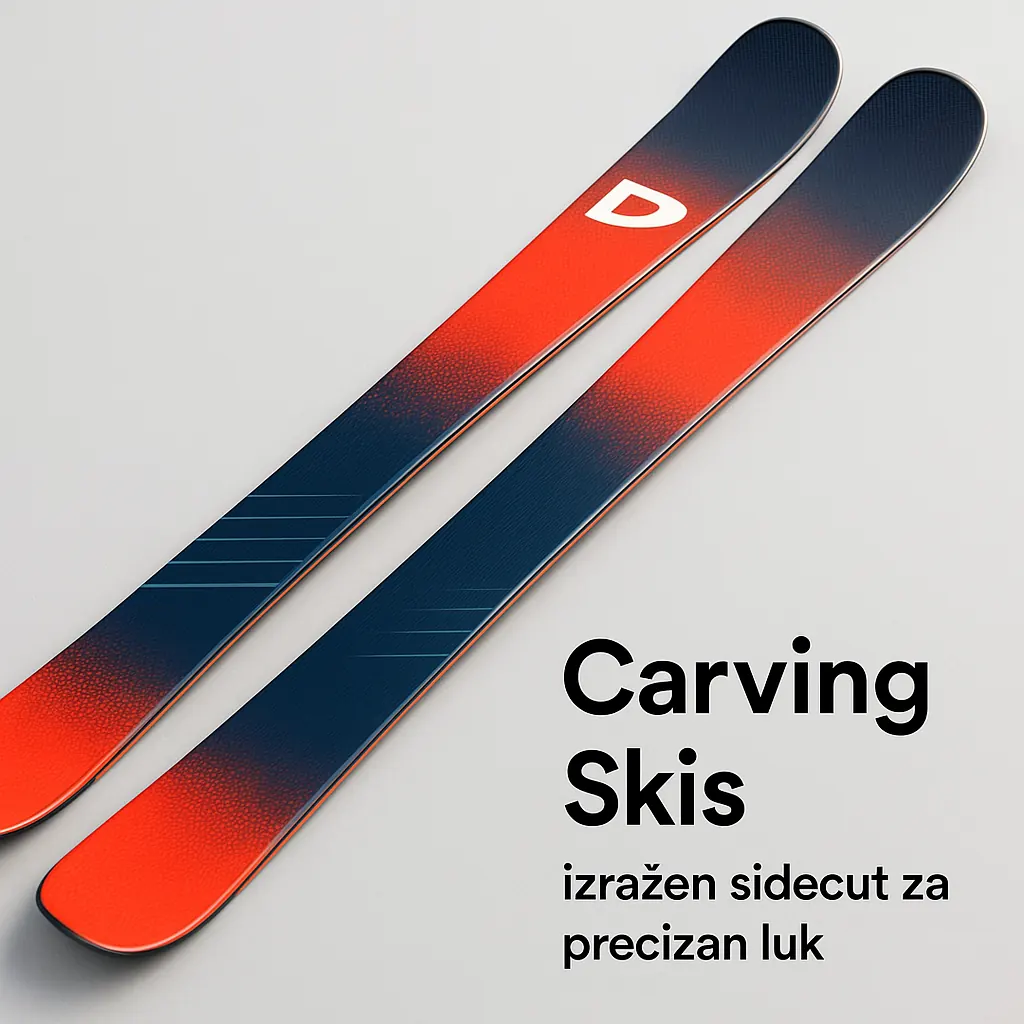
- Sidecut and metal edges: easier turning and stronger grip on hard snow – the birth of the modern carve.
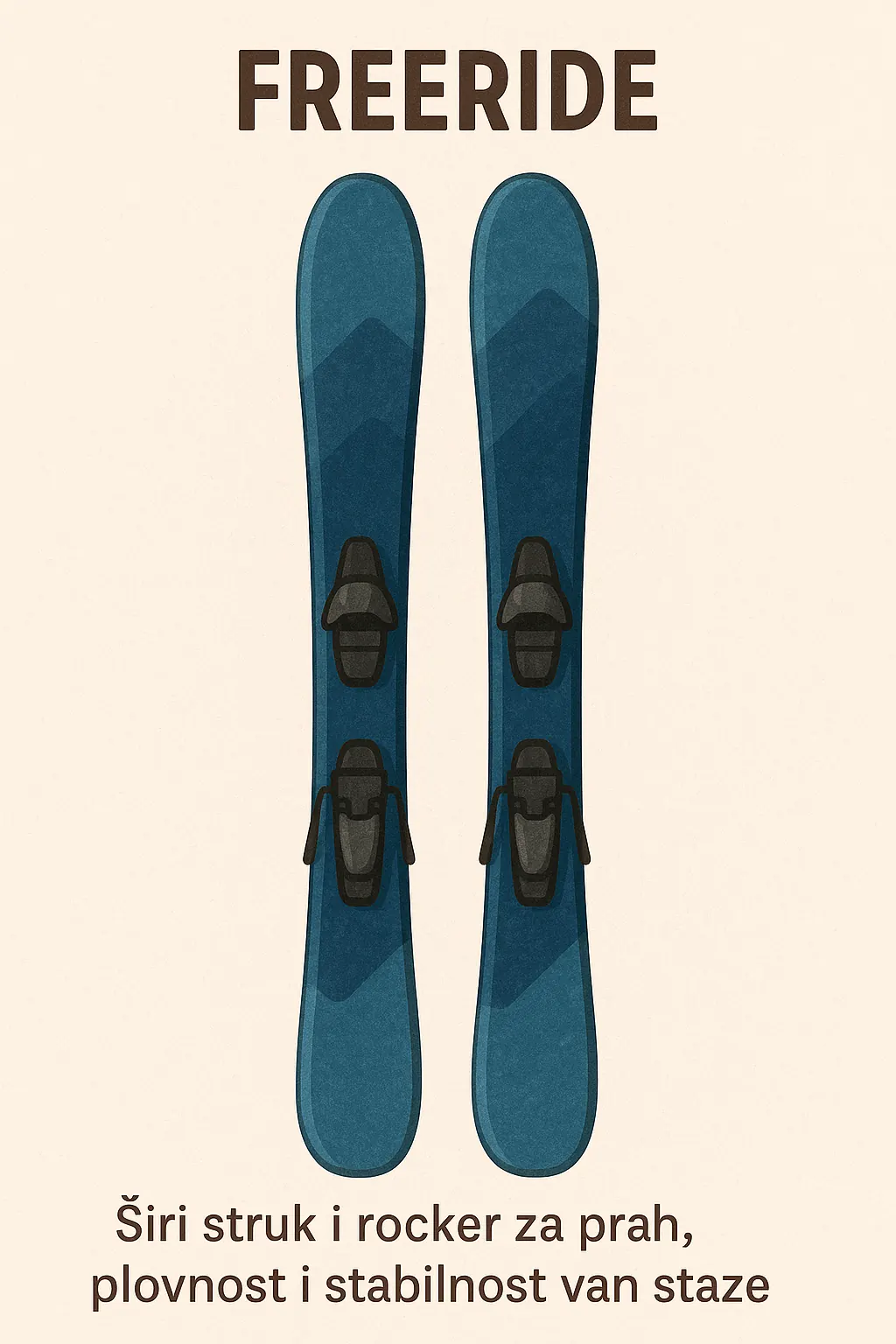
- Plastics, composites, and rocker: lighter, more durable skis; new profiles brought float in powder and stability on piste.
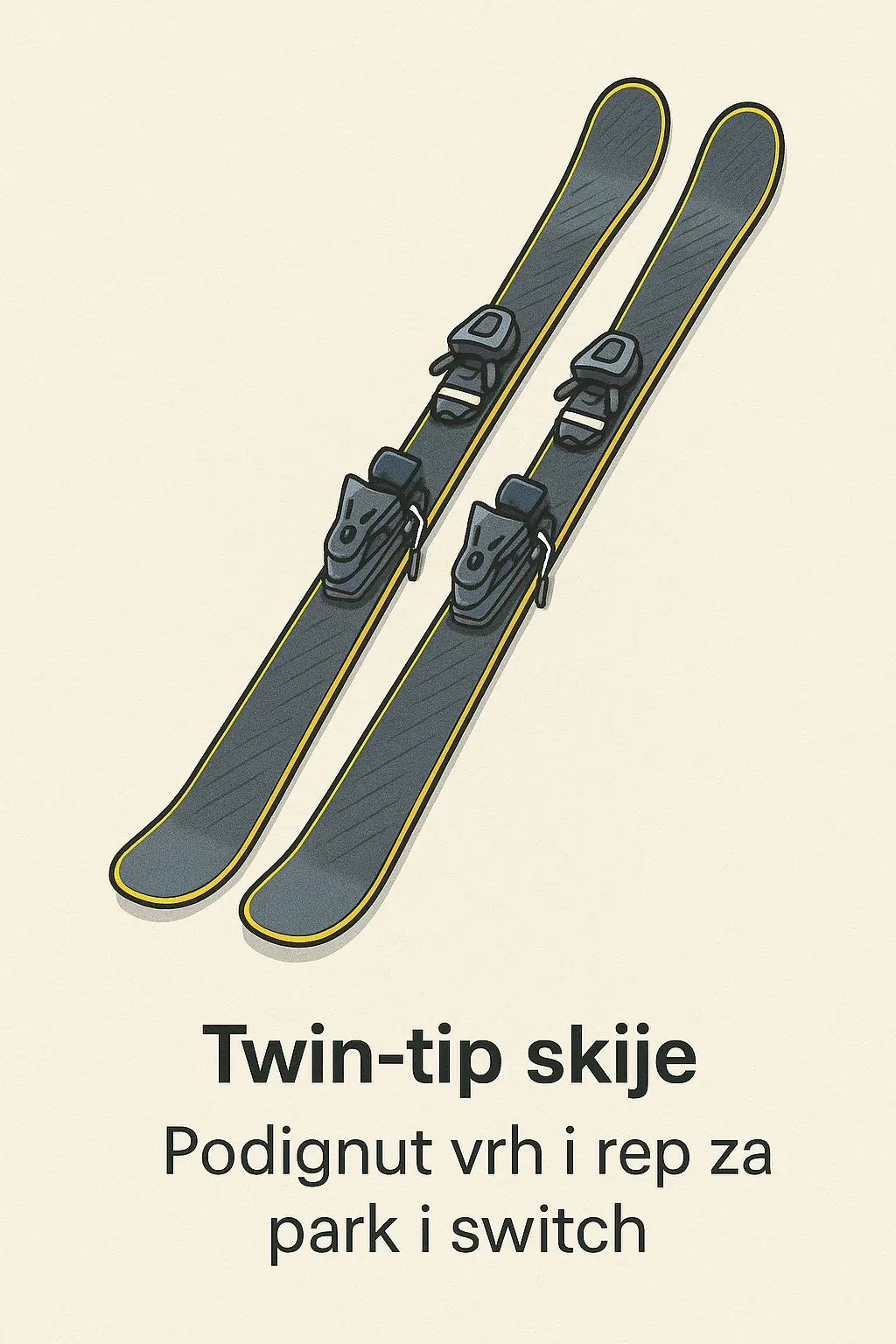
Technology reshaped style: from long, flat transport boards to a diverse “park” of shapes and purposes. Skiing became both experience and expression – recreational, competitive, aesthetic.
From Wooden Boards to Hi-Tech Skis
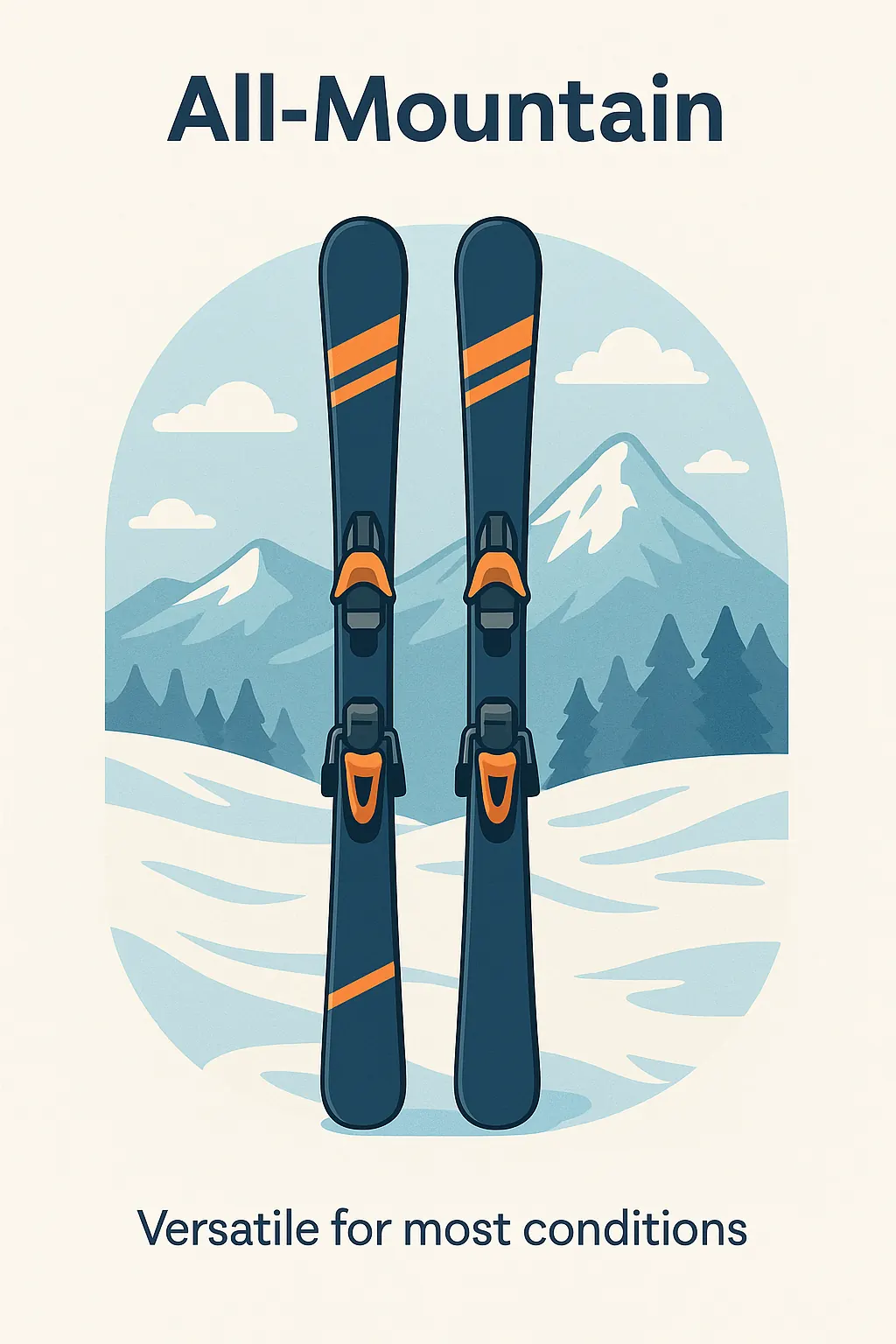
A quick look at today’s ski types – each with its own logic and terrain.
Conclusion
The essence hasn’t changed: snow invites us to move, explore, and enjoy. The difference lies in the path – from wooden boards and hunting grounds to groomed slopes and varied disciplines. In that line, every turn today is also a greeting to those who first discovered how to leave a trace on snow.