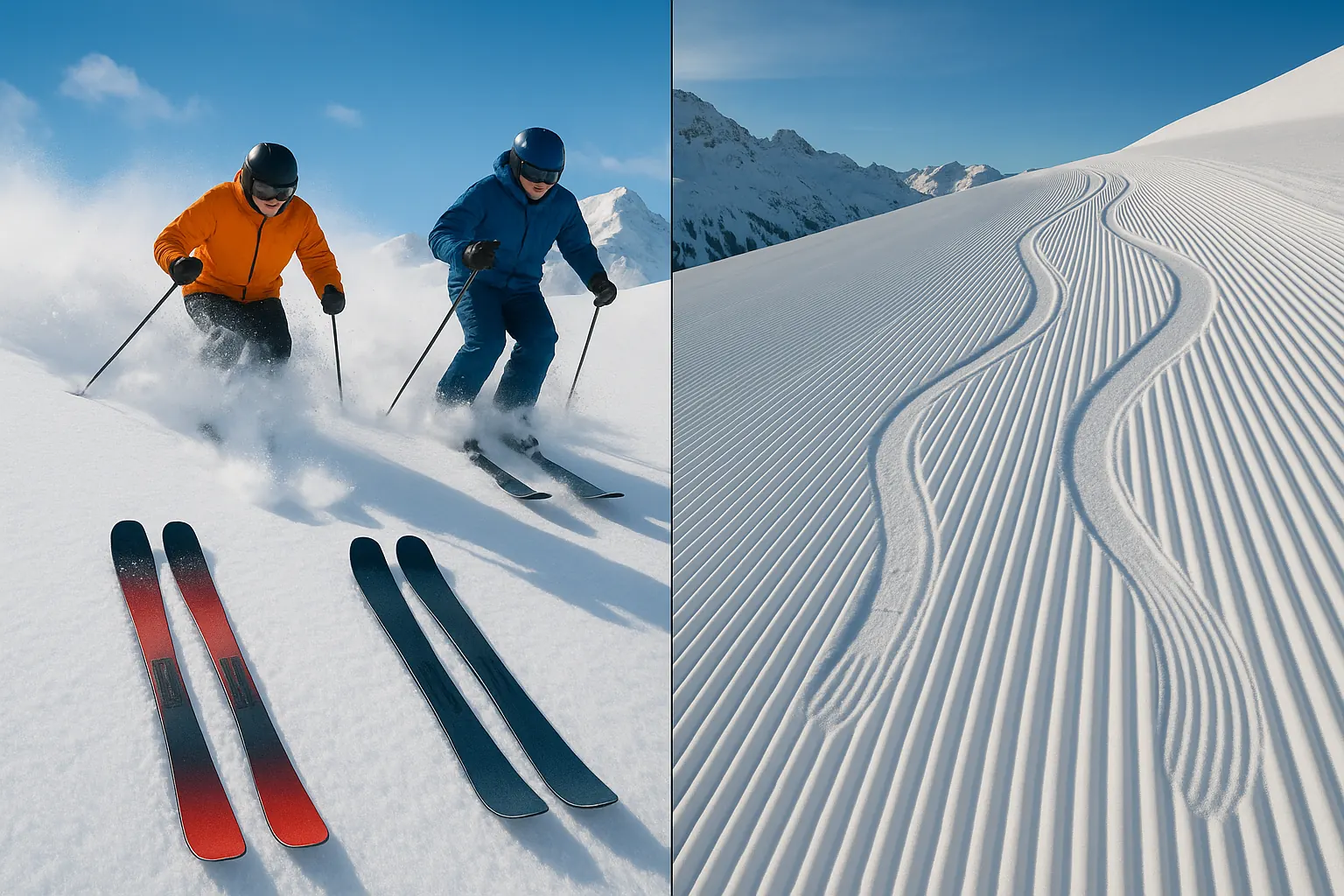
Short story: why myths happen
Skiing has many variables: snow type, slope angle, technique, fitness. A catchy story easily becomes a “rule” even if it only fits specific situations. Below are common misconceptions—and what real-world experience shows.
Myth #1: “Wider skis are always better in powder”
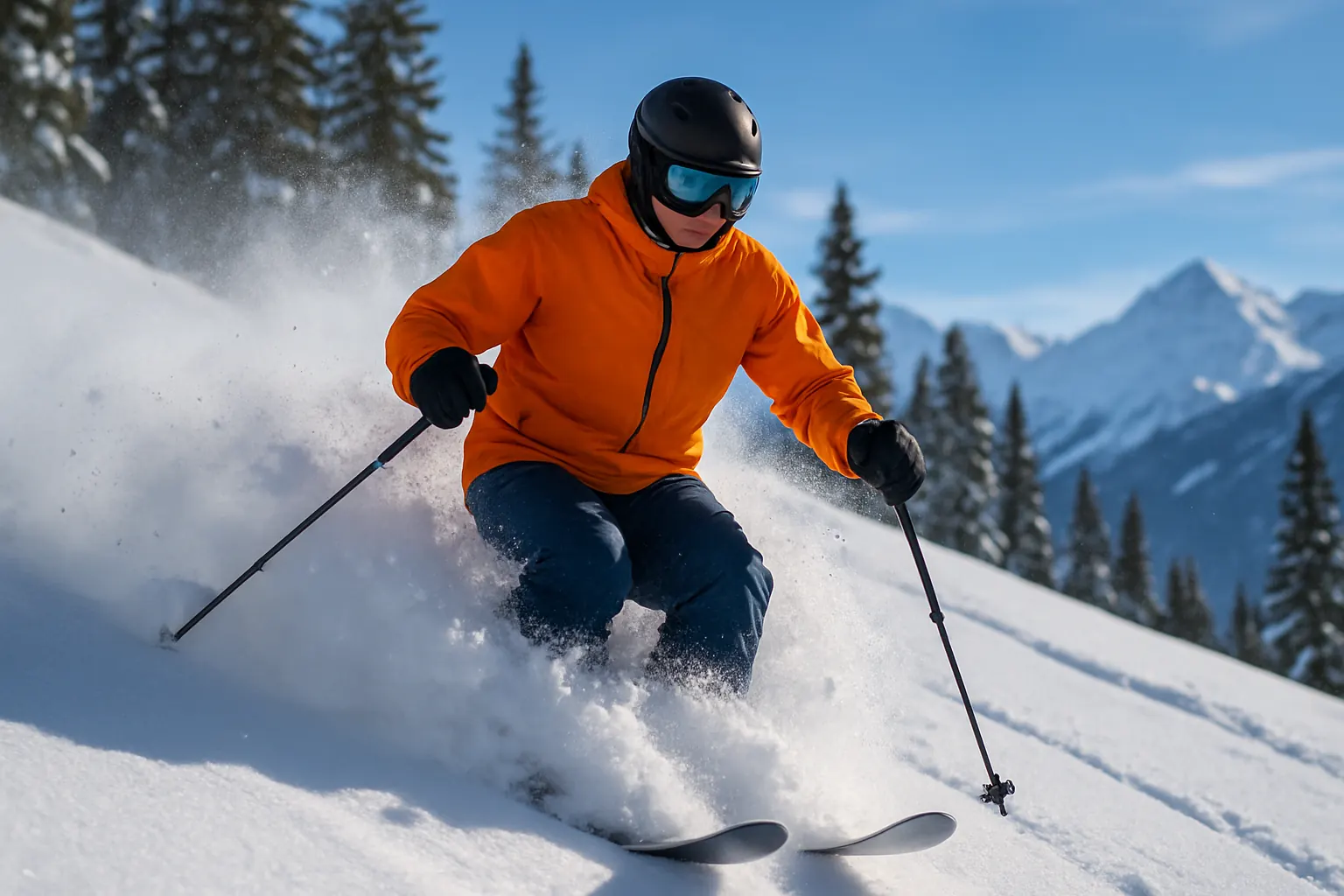
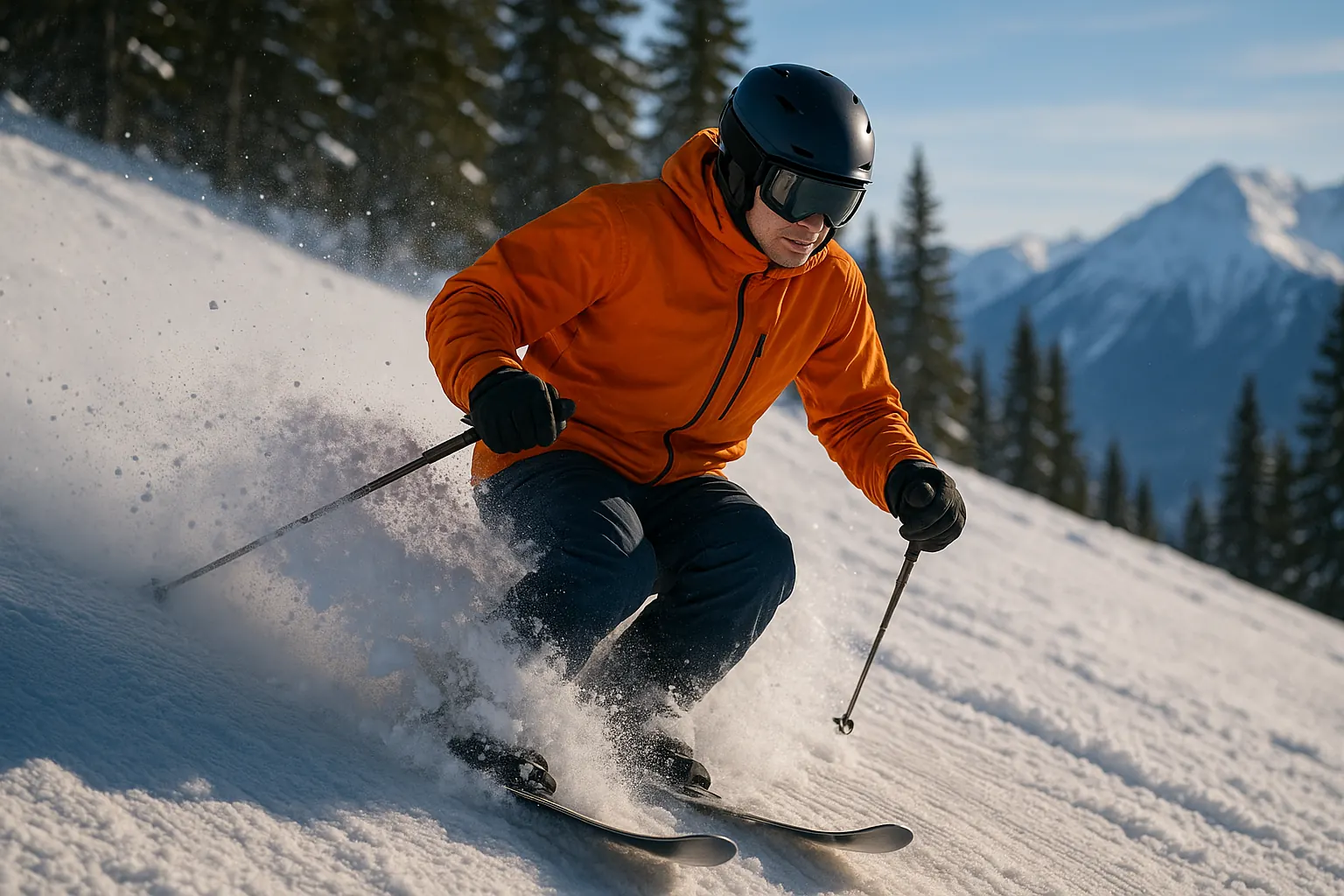
Truth: wider waists (≈100–115 mm) boost float in deep powder. But in mixed snow (tracked, bumps, narrow slots), excess width can feel sluggish switching edges and demands more strength. For most skiers a balanced width works best: e.g., 95–105 mm for frequently powdery resorts, 80–95 mm for all-mountain versatility.
Myth #2: “Carving is only for experts”
Truth: modern sidecut helps all levels feel a clean arc. Choose radius and stiffness for your speed and weight. Short, moderate turns on gentle groomers are perfect for learning balance, pressure and rhythm—without jerky movements or broken tempo.

Myth #3: “Shorter skis are always easier to control”
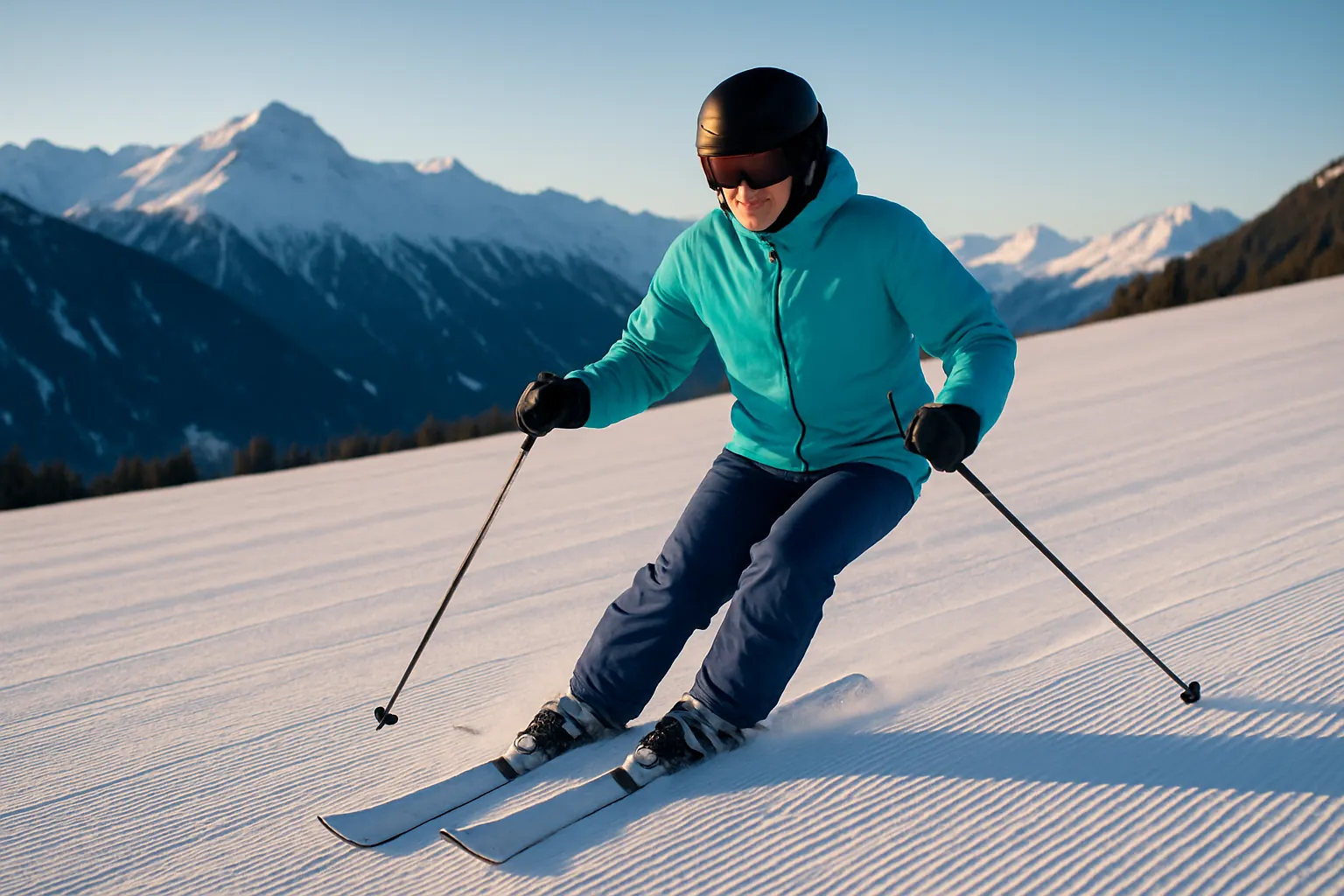
- Shorter: quicker to initiate; less stability/float at speed and in rough snow.
- Longer: calmer in the turn and at speed; require firmer input and pressure management.
- Rule of thumb: for all-mountain, chin to head-top (adjust for weight/skill/purpose).
Truth: “easier” depends on terrain and tempo—too short can be harder once speed and bumps increase.
Myth #4: “Wax doesn’t matter for casual skiers”
Truth: even casual skiers feel the difference—easier flats, less “stick” in warm snow and slower base wear. Today’s fluoro-free waxes cover all conditions well.
Myth #5: “Softer boots are safer and easier”
Truth: too-soft flex often means poor power transfer—knees work overtime while skis ignore inputs. The right fit (last, volume) + flex for your weight and style brings both control and comfort. Safety comes from precise fit that enables consistent technique.
Summary: myth vs. fact
Three sentences that solve most dilemmas.
- There’s no “always”: conditions dictate the choice (snow, pitch, speed).
- Geometry helps: sidecut and length serve you, not the other way around.
- Fit + tune = performance: comfort, power transfer, and sharp edges with the right wax bring control and speed.
Conclusion
Instead of universal “rules”, think in terms of conditions + goal + skill. Properly tuned gear and clear technique deliver faster progress than any supposed magic trick.