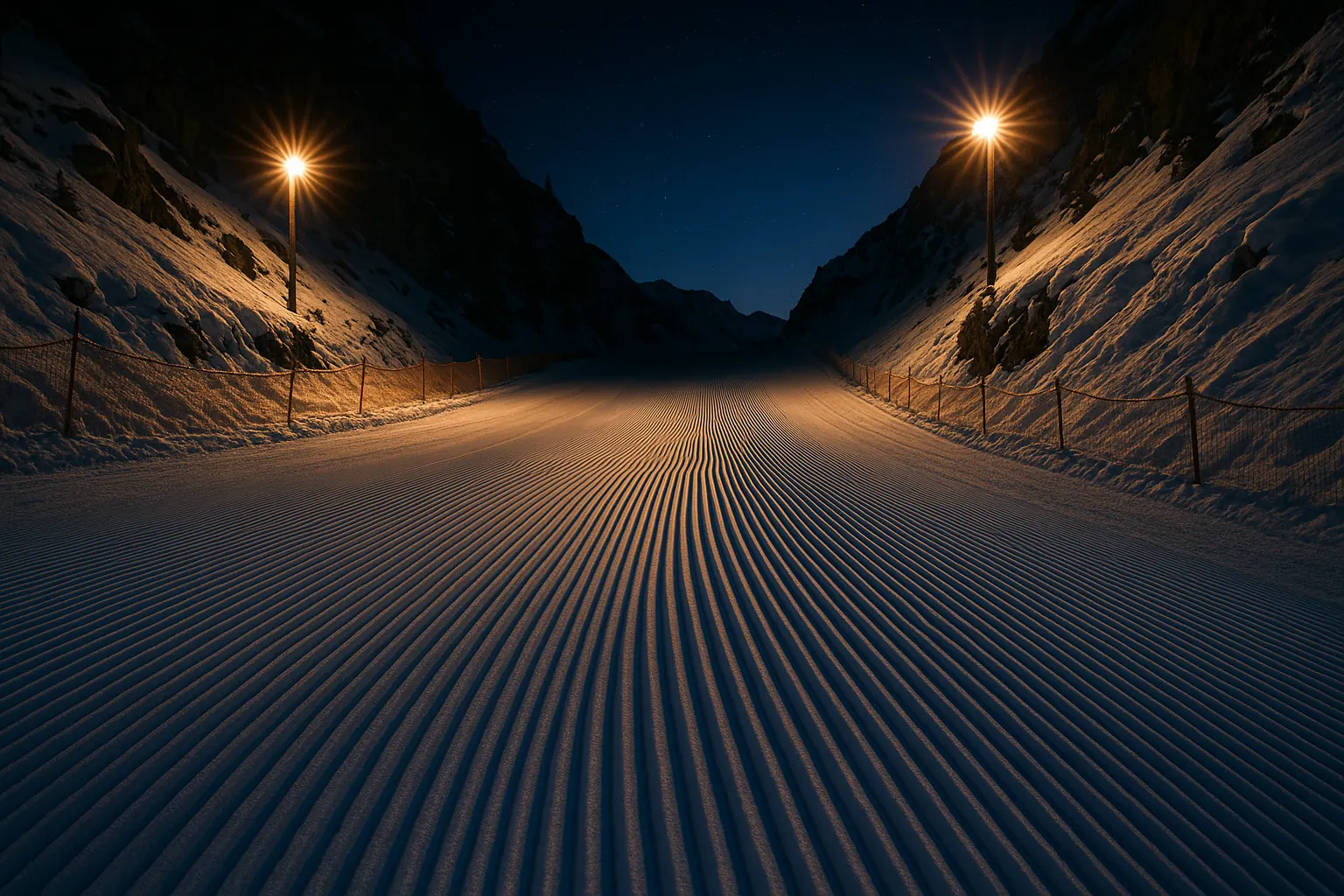
Short story: “steepest”—by which metric?
When resorts compare “walls”, they often quote the maximum gradient of a short segment (the steepest tens or hundreds of meters), while the run’s average gradient is much lower. Figures may be given in percent or degrees—and those are not the same unit.
How steepness is measured: percent vs degrees
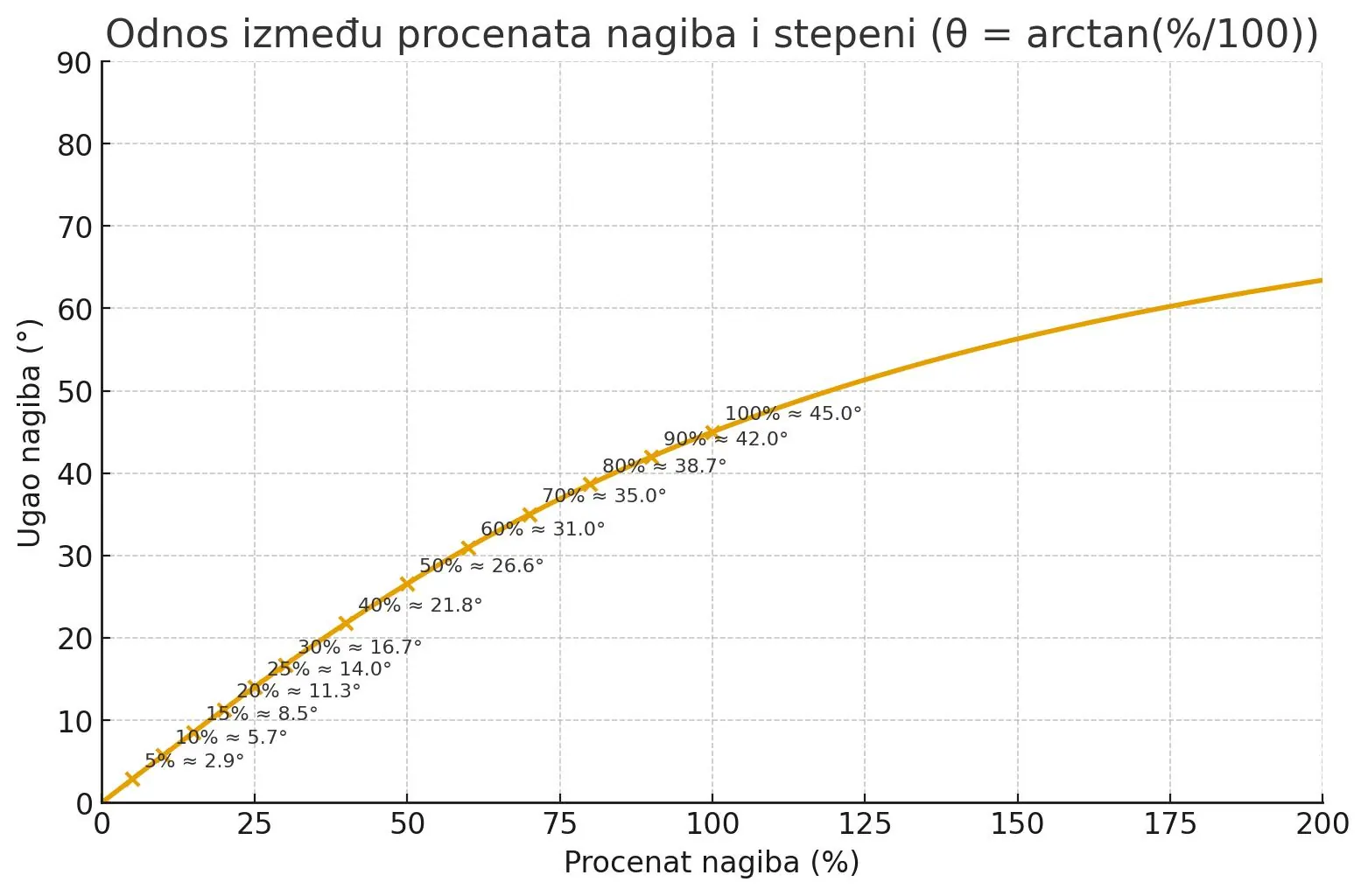
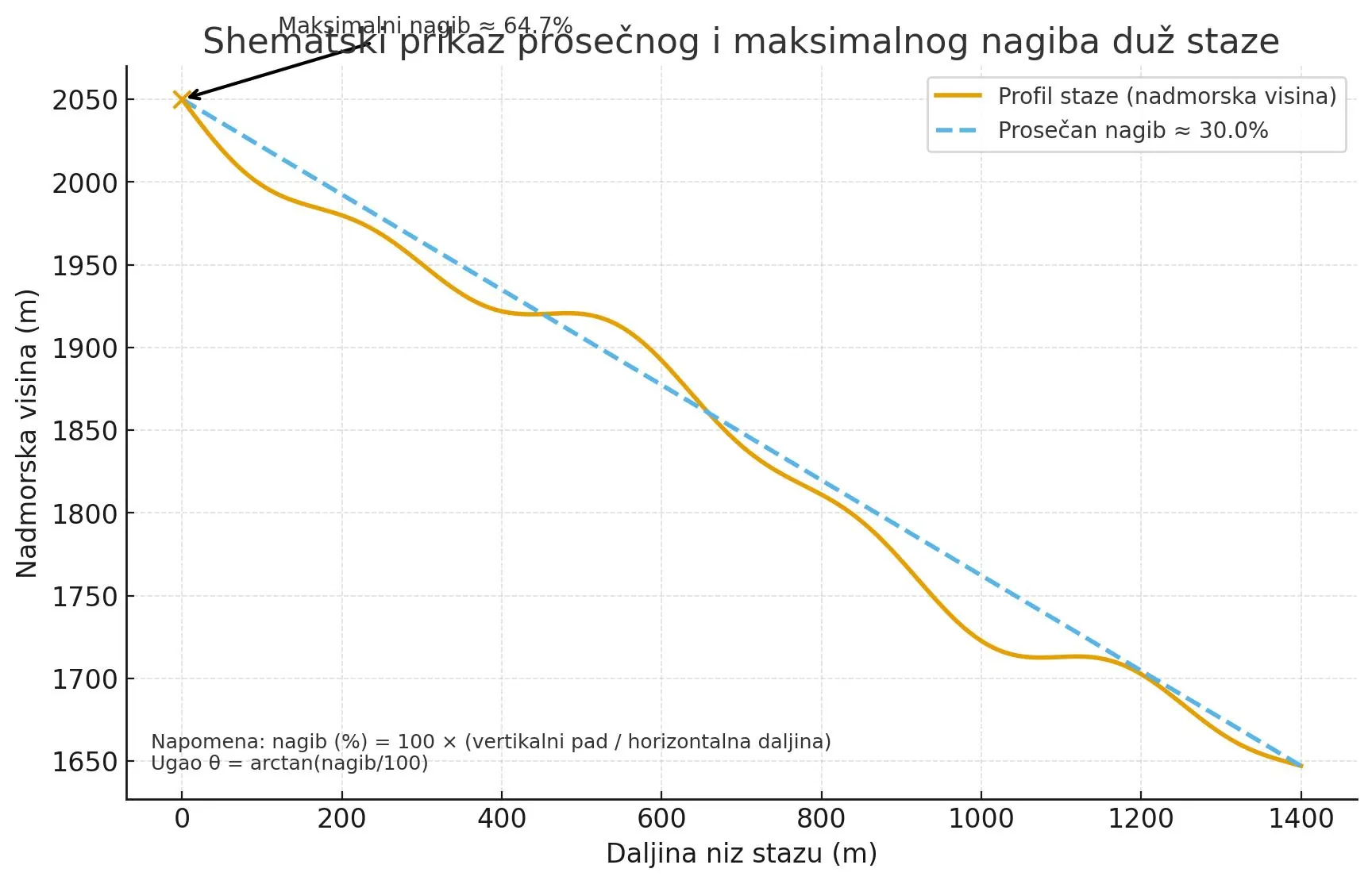
Percent is “rise over horizontal, times 100”. For example, 100% means a 1 m drop over 1 m horizontally (≈45°). Convert to degrees via: tan(θ) = %/100. Thus 78% ≈ 38°—it sounds different, yet describes the same steepness.
Top contenders: “walls” that made the record books
Three frequently cited names
Note: values are usually the maximum gradient of the steepest section; “groomed” = regularly winch-cat groomed pistes/routes.
- Harakiri (Mayrhofen, Austria) — up to ~78% (≈38°); often marketed as the “steepest groomed piste” in Austria.
- Langer Zug (Lech Zürs, Austria) — ~80% in the upper third; groomed daily as a ski route.
- Gamsleiten 2 (Obertauern, Austria) — reports of 70–100% in sections; commonly a large mogul field (not typically flat-groomed).
Other runs and race-course sections can reach extreme gradients, but they are not always regularly groomed for public skiing — so they’re not directly comparable within this specific “groomed” category.
Who holds the record?
There’s no single European body that certifies a “steepest groomed run” record. Based on official resort info, Harakiri in Mayrhofen is promoted at 78% as a national reference, while Langer Zug in Lech Zürs cites ~80% in its upper third and is groomed daily (but classified as a ski route). Depending on whether you compare “piste” vs “ski route” and which segment you measure (maximum vs average), the “winner” can change.
How to enjoy very steep, GROOMED runs safely
- Pick the time of day: icy mornings demand sharp edges; afternoons can soften and ease control.
- Look ahead: plan two–three gates in advance; manage speed with short, strong turns.
- Hips over skis: active pressure on the outside ski; avoid sitting back.
- Respect signage: enter only when open and groomed; ski routes are narrower and more demanding.